A built-in bookshelf is one of the most rewarding DIY projects for homeowners who want to add both function and style to their living spaces. Whether you’re an avid reader with an ever-growing collection of books or simply looking for a way to showcase decorative pieces, built-in bookshelves offer a custom look that enhances the aesthetics of a room while maximizing storage.
Article Sponsored By: Jacksonville Parking Lot Striping
Unlike freestanding shelves, built-ins seamlessly blend into the architecture of your home, creating a timeless and polished appearance. While the idea of constructing a built-in bookshelf might sound like an advanced woodworking project, it’s surprisingly manageable with the right approach, materials, and a little patience.

Choosing the Right Location for Your Built-In Bookshelves
The first step in building your own custom bookshelves is determining the best location. Many homeowners choose to install them in living rooms, home offices, or even along hallways to create an elegant library-like atmosphere. Some people take advantage of otherwise wasted space, such as recessed areas, alcoves, or empty walls beside a fireplace. Once you’ve decided on the location, measuring the space is crucial. Taking accurate measurements ensures that your bookshelves fit perfectly within the designated area, giving them a true built-in look.
Selecting the Best Materials for a Custom Look
Once the dimensions are set, selecting the right materials is the next step. Plywood or MDF are popular choices for the shelves and frame because they are sturdy and easy to work with. If you prefer a more upscale look, solid wood like oak, maple, or birch can add a natural richness and durability. Choosing the right paint or stain is just as important, as the finish will dictate how well the bookshelves blend with the rest of the room. White or neutral colors create a clean and classic appearance, while a darker stain can give a room a more traditional or cozy library feel.
Constructing the Bookshelf Framework
With materials in hand, the construction process begins with creating the framework. This typically involves cutting and securing vertical side panels to serve as the structure that supports the shelves. Depending on the design, a back panel may be added for a more finished look, or you might choose to leave the wall exposed for added texture and depth. Shelves can be spaced evenly or staggered, depending on what you plan to store. Adjustable shelves are a great option if you want flexibility in the future, allowing for rearrangement as your storage needs evolve.
Securing the Bookshelves to the Wall for Stability
Once the framework is assembled, securing the bookshelf to the wall is an essential step. This ensures that the structure remains stable and prevents any tipping hazards. Using wall studs as anchor points is the safest method, as they provide solid support for the weight of the shelves and any items placed on them. L-brackets or cleats can also help reinforce the stability of the unit. If you’re incorporating the bookshelf into an existing architectural feature, such as framing a window or fireplace, adding trim molding around the edges will create a seamless and polished finish.
Finishing Touches: Sanding, Painting, and Staining
After the shelves are securely in place, the next step is to fill in any nail holes, gaps, or seams with wood filler or caulk. This attention to detail is what truly gives the bookshelf a professional, built-in appearance. Once everything is dry, sanding the entire unit smooth is important before applying paint or stain. A coat of primer helps create an even surface, especially when working with MDF or plywood, which can absorb paint unevenly. When painting, multiple thin coats will achieve the best finish, while staining requires careful application to bring out the natural grain of the wood.
Styling and Organizing Your Built-In Bookshelves
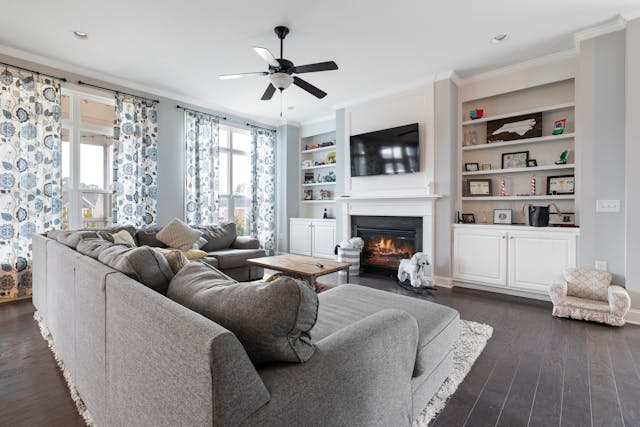
The final step is the most satisfying—styling and organizing the shelves to enhance the look of the room. A combination of books, decorative objects, framed photos, and plants can create a visually appealing arrangement. Grouping books by color, stacking them both vertically and horizontally, and incorporating varying heights of decor items help add dimension and interest. If the bookshelf is large enough, adding cabinet doors to the lower portion can provide hidden storage for less visually appealing items.
The Reward of DIY Built-In Bookshelves
DIY built-in bookshelves not only add value to a home but also offer a sense of accomplishment for those who take on the project themselves. They provide a tailored, high-end look at a fraction of the cost of custom cabinetry, making them an excellent option for homeowners who want a practical and stylish upgrade. With proper planning, the right materials, and a bit of creativity, anyone can transform a plain wall into a beautiful and functional feature that enhances their living space for years to come.
Thank you for visiting our blog. We hope you are finding some good ideas on our site. If you have any comments or questions, please contact us today. We also ask that you visit our sponsor Parking Lot Striping Jacksonville (https://www.linestripingjacksonville.com/)